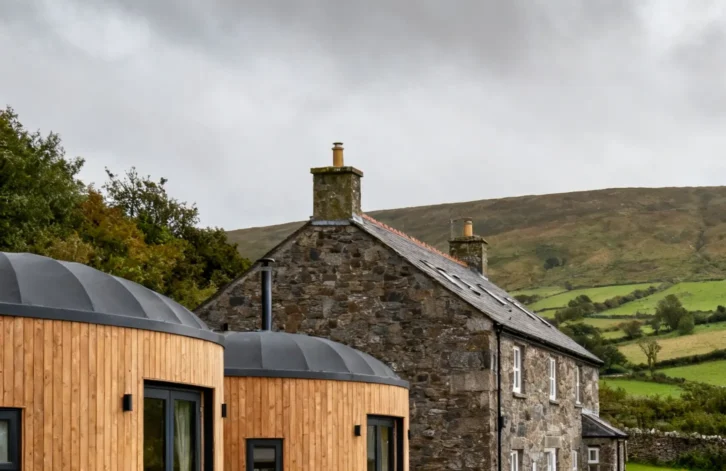
Atom bank has provided a £6.12 million commercial loan to a South Wales farm business that has transitioned from dairy farming into hospitality and leisure operations.
The enterprise has developed four additional business ventures over the past decade, including glamping accommodation, an on-site bistro, trampoline and soft play facilities, and an event venue. The business now employs 100 people, making it one of the largest employers in its area.
The funding will support continued expansion, including completion of a dedicated wedding venue. Atom bank secured the deal against competition from high street lenders, structuring the facility at 65% loan-to-value on an interest-only basis with flexible terms.
Deal structure and regional context
James Weaver, commercial manager at Watts Commercial Finance, who introduced the case, highlighted Atom’s handling of a late issue with insurance cover that could have derailed the transaction with another lender. The deal comes as property sector activity continues in South Wales, with businesses seeking flexible financing options.
Karen McGrath, senior commercial business development manager at Atom bank, said: “SMEs are the lifeblood of the UK economy, and often have great plans for the future, but they can only achieve them with the right support. We understand that ambition, and bring a challenger mentality to cases like these.”
She added that the business has demonstrated successful diversification across multiple sectors whilst establishing itself as a significant local employer.
Lending market dynamics
Weaver noted that high street lenders can be more restrictive regarding terms and sectors they will consider for interest-only lending. The flexible approach contrasts with broader market conditions, where mortgage products have faced uncertainty following recent budget announcements.
“The challenger mentality employed by Atom made a big difference here – the bank was pragmatic in how it handled the case, and in arranging the funding package so that the borrower has time to allocate the funds as they see fit,” Weaver explained.
The transaction represents a growing trend of agricultural businesses diversifying into alternative revenue streams, particularly in the hospitality and leisure sectors, as traditional farming operations face economic pressures.