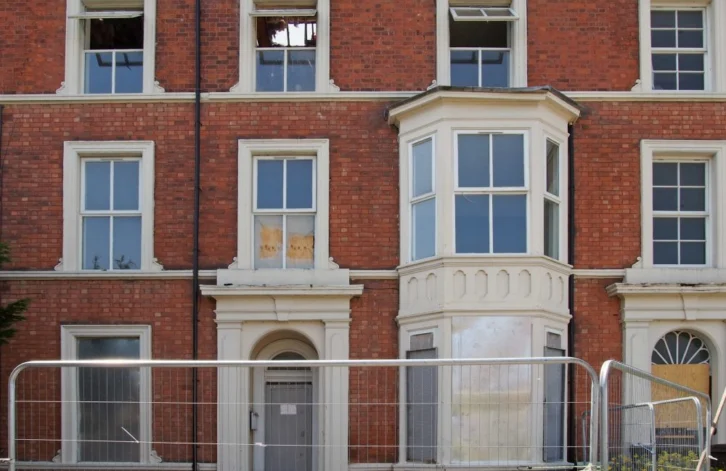
Empty buildings are a problem for the people who own them. They attract squatters, vandals and thieves. They decay faster than buildings that are lived in. And they cost money every month without earning any. Property guardianship offers a simple answer. People live in the building, and their presence protects it.
How the Model Works
A guardianship company agrees to look after a vacant building for its owner. The company then places vetted people, known as guardians, inside it. The guardians use the space as their home. They keep watch over the building, report problems and make it clear that the property is occupied.
Guardians do not rent in the usual sense. They live under a licence, not a tenancy. The arrangement runs on a monthly rolling licence agreement with 28 days’ notice on either side. In return for living there, each guardian pays an affordable monthly fee.
This setup is what makes property guardianship work for both parties. The owner gets a building that has people in it day and night. The guardian gets a place to live for an affordable monthly fee rather than a full market rent.
Where the Idea Came From
The model started in the Netherlands in the 1980s, where it is known as anti-kraak, or anti-squat. It later spread to the UK, where it has moved from a niche idea to an established part of the property sector.
A change in the law gave it a push. In 2012, squatting in residential buildings became a criminal offence in England and Wales. Squatting in commercial buildings did not. Owners of empty offices, pubs, shops and other non-residential sites still faced a real risk. Many looked for ways to keep their buildings occupied, and guardianship was one of the clearest options.
Why Owners Use It
Owners choose guardianship for a handful of plain reasons.
- Occupied buildings are less likely to be broken into or squatted.
- Guardians spot leaks, damp and faults early, so repairs stay small.
- Many insurers expect vacant buildings to be checked often, and occupation helps meet that.
- The 28-day notice period means the owner can take the building back when plans move forward.
Councils, housing associations, developers and private landlords all use the model. Buildings range from former police stations and schools to office blocks and empty homes awaiting redevelopment.
Why Guardians Choose It
For guardians, the main draw is cost. Finding an affordable home in many UK towns and cities is hard. Guardianship gives people a way to live in areas they might not otherwise be able to afford.
There are other draws too. Many guardian homes are unusual spaces, such as former classrooms, fire stations or council offices. Guardians often share with others, which builds a sense of community. Some people use guardianship to save for a deposit or to live near work while they plan their next move.
Who Can Become a Guardian
Guardianship is not for everyone. Anyone interested in becoming a property guardian should expect providers to vet applicants with care. Guardians must be 21 or over. They cannot bring children or pets. They need a regular income or proof of financial stability, along with a clean credit check. Providers also look for people who are responsible and community-minded, since guardians are the ones who notice when something is wrong.
The flexible licence suits people who can move at short notice. Twenty-eight days is enough time to find a new place, and many providers offer other guardian homes when a building is handed back.
A Model That Keeps Growing
Several things have pushed guardianship forward. Buildings now often sit empty for long periods while planning and funding are sorted out. Owners want protection that does not carry the cost of round-the-clock security. And more people are looking for flexible, lower-cost places to live.
Anyone curious about the model can browse current guardianship properties to see the range of buildings on offer. Listings show the variety, from flats in housing blocks to rooms in former public buildings.
Guardianship will not solve the UK’s housing shortage. It was never meant to. What it does is make use of space that would otherwise sit idle. Owners get a building that stays safe and in good order. Guardians get a home at a fair cost. For a model that began as a way to stop squatting, that is a solid result.