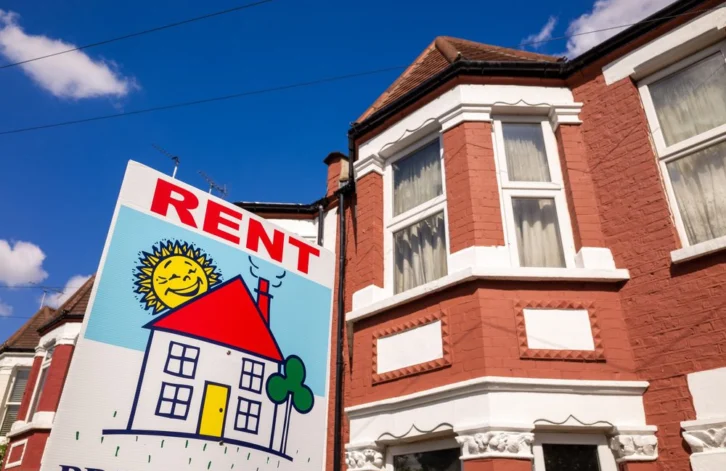
The UK housing market moves a lot of homes. HMRC’s provisional estimate for September 2026 was 97,940 residential transactions in one month. London adds a second layer, because around 30 per cent of its homes are privately rented. Every one of those sales and tenancies starts with an owner or landlord who picks an agent. Whoever reaches that person first, with a clear message, often gets the instruction.
This guide covers one way to reach those owners and landlords: postcode-targeted leaflets. It explains where the method fits and how to choose streets. It also covers how to write the leaflet and how to measure the result without wasting budget.
Why Portals Alone Leave Instructions on the Table
Property portals reward agents who already hold stock. A buyer searches, sees listings and contacts the agent who listed the home. The seller made the choice of agent weeks earlier, usually before any listing existed.
Consider a three-bed terrace in Walthamstow. The owner thinks about selling in January and asks two neighbours and one friend for names. A leaflet from a local agent lands on the doormat in the same week. The agent whose name the owner has already seen gets the first call. The agent who waited for the listing never gets the chance.
The practical step is a simple audit. An agent can list the last ten instructions and mark where each one came from: referral, walk-in, portal enquiry, canvassing or print. This works because it shows which channel reaches owners before they have chosen an agent. If print and canvassing account for few of the ten, a clear gap exists to test.
Where Offline Delivery Fits in a London Property Pipeline
A common objection to print is that it cannot be measured. That was true of untracked bulk drops, where leaflets went into bags and nobody checked the streets. Direct marketing is defined by the opposite: a pre-selected audience and a method for a direct response. A leaflet campaign can meet that definition when the delivery is verified and the response is tracked.
That is the gap LeafletPro UK fills. It is a London-based company that provides door-to-door flyer delivery with GPS-tracked routes and postcode targeting. It also handles design and print, so one supplier covers the whole campaign. For an agent or investor, quality leaflet distribution london work shows which streets received a drop and when. The same record explains the results later. If valuations rise after a drop in N17 and stay flat after a drop in E10, the agent knows where to spend the next budget.
The practical step is to treat delivery proof as a required input. An agent can ask any distributor for route evidence before booking. This works because a campaign without proof offers no basis for testing, and an untested campaign cannot improve.
Choosing Streets and Timing
Many first campaigns fail because of coverage that is too wide. An agent sends 20,000 leaflets across a borough and gets two calls. The problem is rarely the leaflet. Most of the homes on those routes had no reason to sell, and the owners who did were diluted among the rest.
Rank Postcodes by Likelihood to Move
Likelihood to move differs sharply between streets. A road of 1930s semi-detached houses with long-term owners behaves differently from a road of converted flats with a high share of landlords. Landlords of older rental stock may be weighing a sale because of rising regulation and tax costs. Owners in family streets near a good school often sell when children change school stage.
A workable approach is to build a short list of five to ten postcodes. The agent ranks them by recent sales volume from public Land Registry records, housing type and existing market share. The agent then drops the leaflet on the top three first. This works because concentrated activity builds recognition. A resident who sees the same name on three consecutive drops starts to treat it as the local agent.
Time Drops Around Listing Peaks
Timing matters. Summaries of direct marketing practice note that the best timing can produce up to twice the response of the worst. In practice, owners decide to sell in the weeks after the new year and again in early autumn. Leaflets landing two to four weeks before these peaks reach people while they are still choosing an agent.
Writing a Leaflet That Sellers Keep
A weak leaflet usually lists everything the agency does. It shows a logo, a photo of the office, five services and a phone number. The reader has no reason to keep it, because nothing in it concerns their home.
A stronger version makes one local claim and backs it with proof. One example is “14 homes sold on Cairn Road since 2023, average 97% of asking price.” Another is a short postcode market note with a rolling average of recent sale prices. The local number tells the owner that the agent knows the street, and that matters more than a general promise.
The same body of direct marketing research says the offer can change response by up to three times between the best and the worst. It also says that easy response methods can add around 35 per cent. A leaflet can use a free written valuation as the single offer. It can give a dedicated phone number and a QR code that goes to a short form. This works because each response method becomes a counter. Calls on the dedicated number came from that leaflet.
Accuracy sits alongside creativity. The Advertising Standards Authority’s CAP Code covers print advertising in the UK. Claims such as “highest prices” or “number one agent” need evidence. A leaflet that cites its own figures, with a date and a sample size, holds up better under review and builds trust with readers.
Measuring Results and Avoiding Shortcuts
Campaign reports often stop at the number of leaflets delivered. That figure says little about the business outcome. A drop of 5,000 leaflets that produces two valuations and one instruction can pay for itself many times over, depending on the fee. A drop of 20,000 that produces eight valuations and no instructions can lose money.
Three measures give a clearer picture:
- Cost per valuation booked, calculated from print, delivery and design costs.
- Valuation-to-instruction rate by postcode.
- Repeat exposure, meaning the number of drops each street received in a year.
These work because they connect spending to the decision a seller makes. Cost per valuation also allows comparison with portal advertising and paid search.
Shortcuts cause damage. Delivering to homes that display “no junk mail” notices produces complaints and reputational harm. Over-saturating one street with weekly drops turns recognition into irritation. Buying the cheapest untracked delivery leaves no proof and no learning. The human reader is the audience in every case, and a resident who finds the leaflet useful responds more than one who finds it intrusive.
Advanced Approach: Pairing Leaflets With Digital Follow-Up
A leaflet and an online ad work well when they carry the same message to the same area. Take an agent who drops leaflets in a postcode and then runs a short local search or social campaign in that postcode for two weeks. A resident who saw the leaflet on Monday sees a matching headline online on Wednesday. The second contact feels familiar, not random.
The practical step is to keep one headline, one offer and one response route across both channels. This works because repetition across media raises recall without raising the amount of copy a resident has to read. The agent can then compare response by postcode with and without the digital layer. That comparison shows whether the extra spend adds value or simply repeats the same ones.
London property is competitive, and instructions go to the agent who becomes familiar before the owner decides to sell. Targeted streets, verified delivery and a leaflet with local evidence give an agent a repeatable method for that. Each of those parts can be tested, which makes the method workable in a market where visibility is expensive.