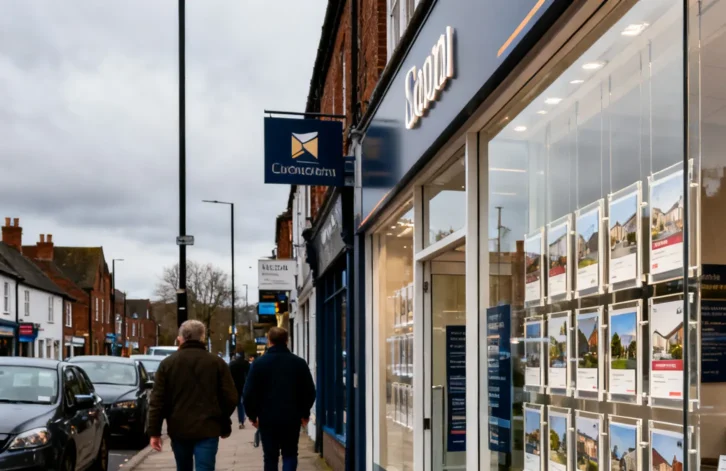
UK estate agents are re-evaluating their reliance on property portals such as Rightmove and Zoopla as rising subscription fees and increased competition prompt a shift towards building independent digital channels.
The property portal model, whilst delivering visibility and generating enquiries, has created what industry observers describe as ‘portal dependency’ – a situation where agents operate without control over their lead pipeline or the platforms generating their traffic.
Rising costs challenge business models
Portal subscription fees have increased consistently over recent years, creating pressure on agency margins at a time when fewer properties are coming to market in some areas. The cost issue has escalated to the point where some agents have launched legal action against Rightmove, accusing the portal of charging unsustainable fees, according to the BBC.
The increased competition for instructions means more agents are pursuing the same sellers, with many responding by increasing portal spend in exchange for greater visibility. This approach, whilst generating more enquiries in the short term, is pushing costs upward across the sector.
Shift towards owned digital assets
Agencies are now investing more heavily in their own websites and digital marketing strategies to reduce dependency on third-party platforms. This includes optimising sites for local search terms such as ‘estate agent in [location]’ and ‘letting agent for landlords in [location]’ to capture high-intent searches from potential clients who have not yet selected an agency.
Strategies being employed include creating content focused on landlords and sellers, optimising websites for conversions rather than just traffic, and building email lists through remarketing techniques. The approach mirrors broader trends in the property sector, where estate agents remain the top source of conveyancing referrals, demonstrating the value of direct client relationships.
Conversion optimisation focuses on clear calls to action, visible instant valuation tools, and mobile-first design, reflecting the reality that most property searches now begin on mobile devices. Agencies are also emphasising trust signals such as reviews, testimonials and case studies on their owned platforms.
Hybrid model emerges
Industry sources indicate that agents are not abandoning portals entirely, but rather adopting a mixed approach that combines portal listings with investment in owned digital channels. The strategy aims to balance the immediate visibility portals provide with the long-term control and lower costs of proprietary platforms.
The development comes as the wider property sector faces various pressures, with some agency brands continuing to expand despite market challenges.
Analysts suggest that agencies achieving the strongest performance over the next three to five years will be those combining portal presence with robust local digital visibility and lead-generation capabilities through their own websites, rather than relying solely on third-party platforms.