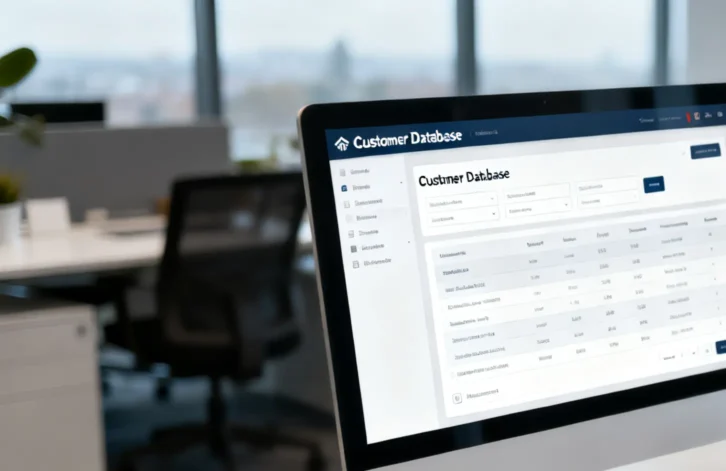
Estate agencies are being encouraged to shift their focus towards building first-party data assets as reliance on third-party platforms becomes increasingly costly and vulnerable to external changes.
First-party data refers to information collected directly from customers, such as details provided when requesting valuations, downloading guides, or subscribing to newsletters. This contrasts with data accessed through external platforms including Google, Meta, and property portals, which agencies pay to use but do not own.
Rising costs of third-party dependence
The property sector has increasingly relied on third-party platforms to generate customer leads through pay-per-click advertising and property portals. However, recent changes to the digital landscape, including privacy regulations and evolving cookie usage, have made this approach more expensive and less reliable.
Agencies heavily dependent on property portals for lead generation face exposure to price increases, whilst those relying on Google search remain vulnerable to algorithm changes unless they increase advertising expenditure. This model requires continuous payment for each lead, creating ongoing costs without building long-term business assets.
The estate agency sector has been adapting to various market pressures, with data ownership emerging as a strategic priority.
Building proprietary databases
Industry observers note that first-party data provides agencies with direct insight into customer needs and preferences. Information gathered from past clients, newsletter subscribers, and landlords represents contacts who have already demonstrated interest in an agency’s services, potentially offering higher conversion rates than purchased leads.
The approach has been compared to property investment itself: paying for third-party data resembles renting, with monthly costs but no asset ownership, whilst building first-party databases functions like creating an investment portfolio where each contact adds long-term business value.
Implementation strategies
Agencies looking to develop first-party data assets are being advised to enhance their websites beyond basic property listings. Recommended approaches include offering downloadable resources such as seller and landlord guides in exchange for email registration, providing monthly local market updates, and optimising valuation forms to attract qualified prospects.
Additional strategies include segmenting contacts by customer type to enable targeted messaging and maintaining regular communication with useful content rather than purely sales material.
The shift reflects broader changes across the property sector, as agencies seek to reduce dependence on external platforms. Similar to how landlords are reassessing their business models amid changing market conditions, estate agencies are re-evaluating their customer acquisition strategies.
Market implications
Industry commentators suggest that agencies succeeding in the coming years may be distinguished not by advertising budgets but by their ability to build relationships with potential customers before they are ready to transact. This requires access to quality first-party data, which is increasingly viewed as a critical business asset.
The emphasis on data ownership comes as estate agencies explore various approaches to differentiate themselves in a competitive market. The transition from third-party data reliance to proprietary database building represents a fundamental shift in how agencies approach customer acquisition and retention.