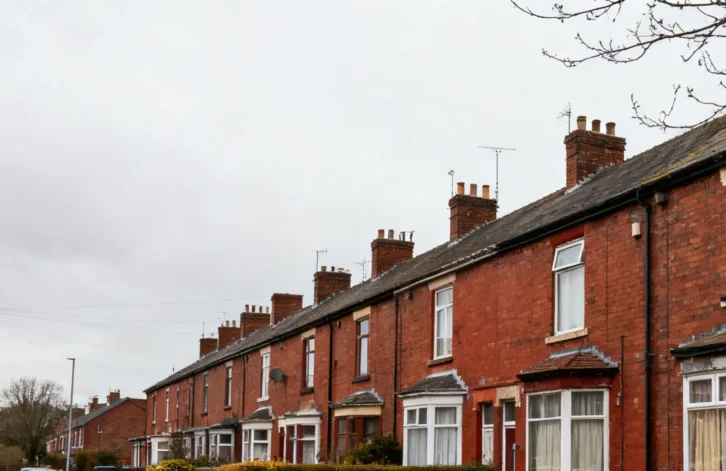
Nuneaton and Bedworth Borough Council has refunded more than £250,000 to owners of empty properties after admitting it failed to follow proper procedures before introducing higher council tax charges.
The Labour-led authority implemented increased charges in April last year, doubling council tax for homes left empty for more than 12 months and tripling bills for properties vacant for more than five years. Owners of a Band D property faced annual bills rising from approximately £2,502 to £5,004 under the policy.
Procedural failures identified
The refunds followed an investigation by monitoring officer Matthew Wallbank, who found the authority had not properly approved the scheme or fully assessed its impact on residents and the local economy. Council papers revealed Wallbank launched the investigation after a resident highlighted similarities with a case at neighbouring Warwick District Council, which had already refunded more than 400 second-home owners after finding charges had been imposed unlawfully.
Wallbank concluded that Nuneaton and Bedworth’s cabinet had approved the premiums without a full council vote and that the authority had failed to produce a sufficiently detailed impact assessment, despite Government guidance requiring councils to consider the wider effect on local communities and economies.
Second homes premium abandoned
The council has also abandoned plans to introduce a double council tax for second-home owners from April this year after legal concerns were raised over the consultation and approval process. The authority, which is now under no overall control following local elections, confirmed that all affected empty homes accounts had been refunded and that its proposed second-home premium has never been introduced.
The case highlights the procedural challenges facing local authorities implementing empty homes and second-home premiums, with implications for other councils considering similar measures. Property owners and investors in areas where such premiums are being considered may wish to monitor whether proper consultation and approval processes have been followed, particularly given the increasing scrutiny of local authority decisions.