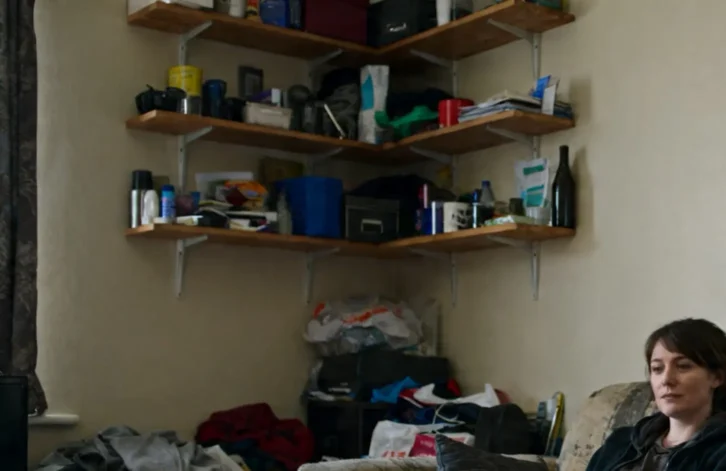
Nearly 27 million people in the UK have felt embarrassed about their living situation, with renters typically experiencing discomfort at age 29, according to research by Nationwide Building Society.
The study found that 11% of respondents continue to share accommodation with friends, family, or strangers, with the average age of shared living now reaching 35 as housing affordability challenges intensify.
Affordability drives shared accommodation
Some 69% of those surveyed said living alone is financially unaffordable, leading many to pool resources and split costs. These arrangements include moving back to family homes or, in some cases, continuing to live with former partners.
While 11% reported that such arrangements have enabled them to save money, the living situations are not always voluntary. Nearly half (46%) said shared living has negatively affected their relationships and personal lives.
Megan Eighteen, President of ARLA Propertymark, said the findings reflect ongoing affordability challenges rather than social preferences. “For a growing number of people, particularly in high-demand areas, living in shared accommodation is not a choice but a necessity,” she stated.
“Higher rent levels, rising living costs, and the barriers to home ownership mean that many renters are staying in house shares for longer than they might have expected,” Eighteen added.
Demographic shift in rental market
The research indicates a demographic shift in shared living arrangements, which now extend beyond students and those in their early twenties. Professionals in their late twenties, thirties and beyond now represent a significant portion of this market segment.
This trend aligns with broader challenges facing the rental sector, where affordability and supply constraints continue to shape tenant behaviour.
Eighteen noted that renters are increasingly seeking well-managed, quality shared homes that balance affordability with privacy and convenience. “Until there is improved affordability and increased housing supply, shared living will remain a key part of the housing landscape for many people,” she said.
Psychological impact
The study revealed that 15% of respondents have experienced stress and anxiety related to their living arrangements, while 14% reported feeling “stuck”. Additionally, 8% cited tension among housemates, and 7% said they have delayed major life decisions as a result of their housing situation.
Richard Stocker, Head of Savings at Nationwide, recommended that those affected establish achievable savings goals and utilise budgeting tools to manage their finances more effectively.
The findings underscore the ongoing pressure on the private rental sector, which comes as new rental regulations are being implemented across the UK. The data suggests that without significant improvements in housing supply and affordability, shared living arrangements will continue to be a necessity for a growing proportion of the adult population.