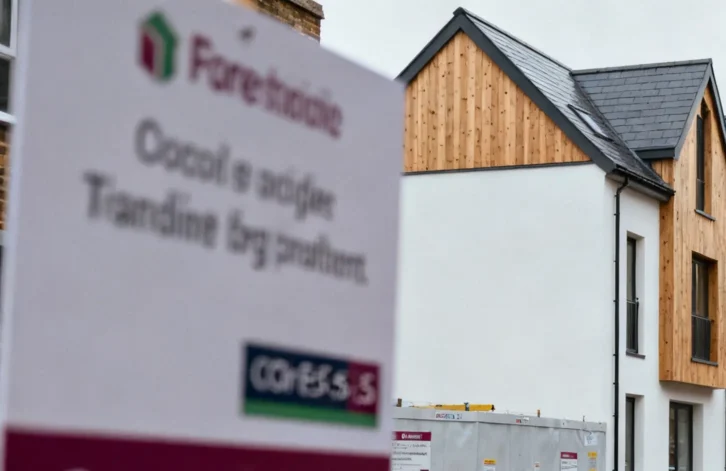
Taylor Wimpey has ceased building new homes in London, citing deteriorating development viability in the capital as costs continue to rise and profit margins diminish.
The national housebuilder’s withdrawal marks a significant shift in the London new homes market, where nearly 40% of flats have been resold at a loss in recent months, highlighting broader challenges in the capital’s property sector.
Viability concerns
Jennie Daly, Taylor Wimpey’s chief executive, told The Times’ The Business podcast that “baseline viability is, I think, fundamentally broken in London.”
“The reward for undertaking what is a very high-risk form of development in London has just evaporated,” she said, pointing to regulatory requirements that have increased costs, including new rules requiring high-rise buildings over 18 metres to install a second staircase.
Declining output
In August, Taylor Wimpey reduced its completion forecast for 2026 to between 10,600 and 10,800 homes, excluding joint venture properties. This represented a downward revision from the March forecast of 10,600 to 11,000 completions, which itself was 4% below 2025 levels.
The company completed 4,986 new homes in the first half of 2026, down from 5,264 in the same period the previous year.
The withdrawal comes as affordability concerns continue to affect buyers across the market, adding pressure to an already constrained supply situation in the capital.
Market implications
The decision by one of the UK’s major housebuilders to exit the London market could have implications for housing supply in the capital at a time when demand continues to outstrip availability.
A spokesperson for the Mayor of London stated he was “doing everything he can to deliver more homes” and “recognises the challenges facing housebuilders.”
The move raises questions about the viability of large-scale residential development in London under current regulatory and cost conditions, potentially affecting future housing delivery targets in the capital.