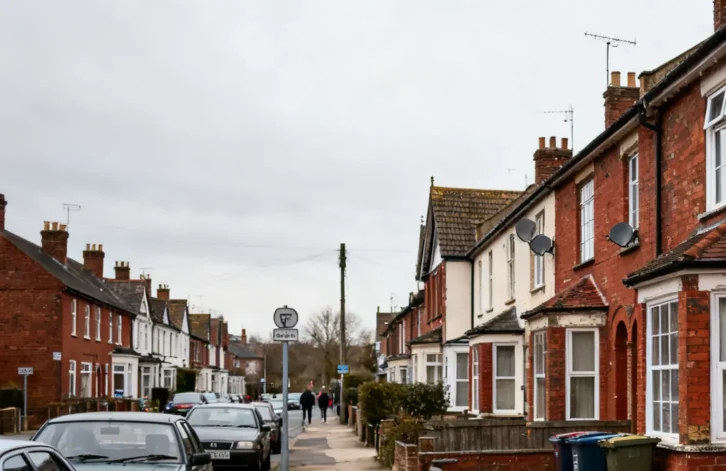
Gravesham Council in Kent is progressing with plans to introduce an Article 4 Direction that would require planning permission for smaller houses in multiple occupation (HMOs), following support from local residents concerned about the concentration of shared housing in established neighbourhoods.
The proposed regulatory change comes after a local campaign titled “Say No to HMOs” gained backing from hundreds of residents who have raised concerns about the impact of increasing numbers of shared houses on community character.
Planning control measures
Shane Mochrie-Cox, Deputy Leader and Cabinet Member for Planning and Business Development at Gravesham Council, told KentOnline that the Article 4 Direction would enable the council to “control the location and concentration of HMOs to protect the character and amenities of local neighbourhoods, environmental quality, and public health.”
The move reflects broader regulatory trends affecting portfolio landlords operating in the buy-to-let sector, as local authorities across England implement stricter controls on HMO conversions.
Licensing and enforcement data
Council records show the authority receives an average of five reports of suspected unlicensed HMOs monthly. At the end of March, 18 properties were under investigation for potential licensing breaches.
Gravesham recorded 107 licensed HMOs at the end of March, with 14 additional licence applications under consideration. Mochrie-Cox stated that while the majority of landlords maintain standards, “some are failing in their duties.”
The councillor noted that since the Renters’ Rights Act came into force in early May, operators of unlicensed HMOs face a minimum fine of £17,000. The council’s private housing team continues to investigate and take enforcement action against non-compliant properties.
The Article 4 Direction, once implemented, would add an additional layer of planning scrutiny to HMO conversions in the borough, requiring formal planning applications for properties that would otherwise benefit from permitted development rights.