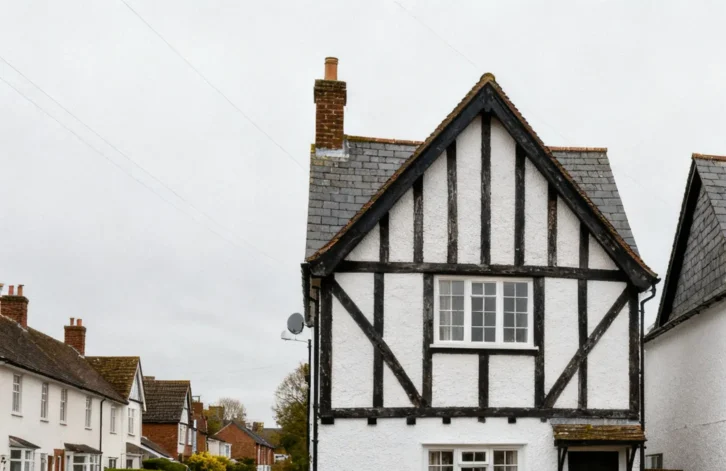
StreamBank has provided a £642,000 bridging finance facility for the acquisition and refurbishment of two buy-to-let properties in Kent, secured against three properties with a combined value of approximately £1.525 million.
The 12-month unregulated bridging loan enabled the borrower to purchase two cottages in Sevenoaks for £525,000, while releasing equity from an existing semi-commercial property in Dartford to fund refurbishment works. The transaction resulted in an overall loan-to-value ratio of 44%, with a net advance of £575,000.
Transaction structure
The deal, introduced by broker Ace Finance, involved the borrower’s semi-commercial property in Dartford, which houses both residential accommodation and a café operated by the borrower. Equity from this asset, which had been gifted to the borrower, was used to support the purchase of the two investment properties.
According to Aiman Maklad, business development manager at StreamBank, the transaction presented complexities beyond the loan-to-value ratio. “The borrower was looking to unlock equity from a semi-commercial asset while simultaneously acquiring additional investment properties and funding refurbishment works, all against a backdrop of tenancy-related delays outside of their control,” Maklad said.
The transaction highlights ongoing activity in the buy-to-let sector, despite broader mixed signals in the UK housing market.
Exit strategy
Following completion of refurbishment works, the borrower plans to refinance both the buy-to-let properties and the semi-commercial asset onto longer-term finance, providing the exit route for the bridging facility.
Nick Hepburn, co-founder at Ace Finance, noted the importance of lender-broker communication during the transaction. “As the deal progressed, there were a number of moving parts that required ongoing communication between all parties involved,” Hepburn said.
The case demonstrates how bridging finance continues to be used by property investors to facilitate portfolio expansion and refurbishment projects, particularly where equity release from existing assets is required to complete acquisitions.