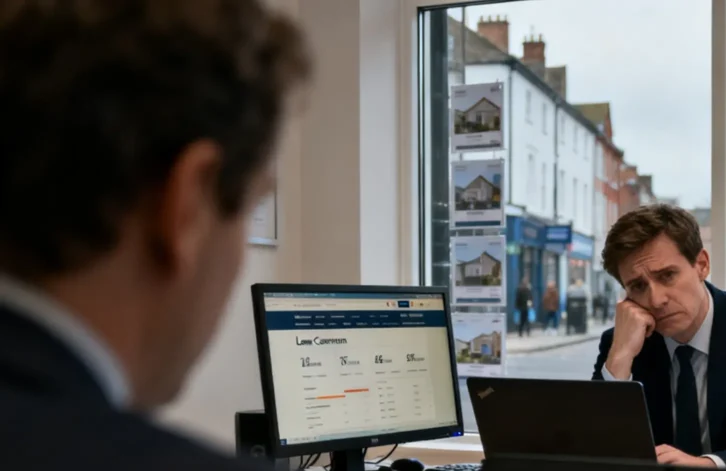
Analysis of letting agent websites reveals that high traffic volumes are failing to generate landlord enquiries, with industry experts highlighting the gap between visitor numbers and lead conversion rates.
Data shows that while most letting agency websites receive traffic from property portals, search engines, social media and email campaigns, these visits frequently do not translate into new business enquiries. The findings point to structural issues in how agencies design their digital presence and engage with potential clients.
Targeted content approach
High-performing agencies focus on attracting visitors with specific intent to become landlords through SEO-optimised content, according to the analysis. This includes creating location-specific pages addressing questions such as achievable rental yields in particular areas or investment potential in specific neighbourhoods.
Blog content targeting landlord concerns, including regulatory changes and buy-to-let company structures, is identified as a method to attract organic traffic from users in early research stages. This approach positions agencies as information sources before potential clients are ready to commission services.
Lead capture mechanisms
The research indicates that many agencies direct visitors immediately to valuation booking stages, potentially missing opportunities to capture interest earlier in the decision-making process. Alternative approaches include offering instant valuation tools, downloadable guides, checklists, market reports and yield calculators in exchange for contact information.
Multiple placement opportunities for conversion points, including pop-ups, in-post prompts and sticky headers, are recommended, with mobile optimisation highlighted as essential. The analysis notes that most agencies fail to maintain contact with captured leads, losing them to competitors.
Follow-up systems
Email nurture sequences using market updates, landlord guidance and regulatory news are identified as methods to maintain engagement with potential clients. The data suggests many landlords convert weeks or months after initial contact rather than immediately.
Retargeting strategies, which display advertisements to previous website visitors as they browse other sites, are cited as a method to maintain brand visibility. This approach aims to re-engage users when they are ready to proceed with letting services.
The findings align with recent developments in the lettings sector, where digital platforms are increasingly important for agency operations. As rental market activity varies by region, agencies are under pressure to optimise their digital conversion strategies.
Technology integration
Artificial intelligence applications are being deployed by some agencies to improve SEO performance and conversion rates. Uses include generating location-specific content, powering chatbots for instant enquiries and analysing user behaviour to optimise page performance.
The analysis suggests that agencies converting website traffic effectively are those that guide visitors through a structured journey rather than waiting passively for enquiries. This includes attracting targeted visitors, capturing contact details, maintaining engagement over time and remaining visible until clients are ready to commit.
The shift represents a move from websites functioning as static brochures to active lead generation tools, with implications for how letting agencies allocate marketing resources and structure their digital operations.