A resident of a Pimlico street has filed a judicial review claim against Westminster City Council over the conversion of a neighbouring five-bedroom home into the Montenegro embassy, highlighting tensions between diplomatic property changes and residential concerns in central London.
Diana Simpson, 35, who lives on Cambridge Street with her parents, is seeking judicial review and potential damages on grounds that the council failed to adequately consider the impact on her mental health when granting planning permission for the embassy’s change of use and flagpole installation.
Simpson, a Stanford graduate who receives disability benefits following diagnoses of clinical anxiety, long Covid and a functional neurological disorder, claims in her statement of grounds that the embassy’s presence has disrupted her sleep patterns. She states she frequently needs to sleep in alternative rooms due to anxiety about the adjacent diplomatic property.
Planning process concerns
The case alleges breaches of human rights and equality acts, claiming the council failed to properly consider her conditions, acted irrationally and delivered a flawed public consultation after the Foreign Office granted permission. Westminster City Council denies the allegations, stating in its defence: “There is no plausible interference with the claimant’s home or her private and family life.” The council is seeking summary judgment without a hearing.
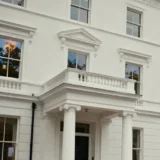
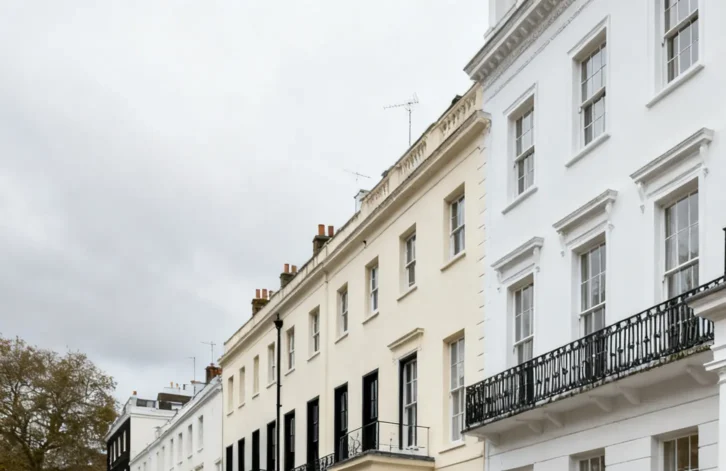
Initial objections from residents focused on the embassy’s flagpole and plaque, with submissions describing Montenegro’s flag as “gaudy” and “out of keeping” with the Grade II-listed Regency frontages on Cambridge Street, designed by Thomas Cubitt. The Montenegrin chargé d’affairs subsequently hosted drinks for neighbours, though this did not resolve all concerns.
Wider diplomatic property trends
The dispute reflects a broader pattern of smaller nations relocating embassies in London due to rent increases or property sales by landlords. While major nations occupy purpose-built premises or properties in Belgravia, South Kensington and Mayfair, smaller states often seek nearby locations at lower costs.
Montenegro’s embassy is located near Victoria coach station in Pimlico, whilst Turkmenistan recently opened an embassy in a converted family home on Victoria Road, Kensington, 1.4 miles from the French embassy opposite the Natural History Museum. The Turkmenistan conversion also generated local objections, with one resident submitting to a Royal Borough of Kensington and Chelsea consultation: “I cannot understand the lack of courtesy afforded to immediate neighbours.”
The property, now housing the Turkmenistan embassy, is owned by Tengku Fahad, 32, the Eton-educated son of the late king of Malaysia. Such planning and regulatory concerns are becoming more common in prime London residential areas as diplomatic property requirements evolve.
A Westminster City Council spokesperson said: “Councils are legally required to take decisions in line with existing planning policy. It would not be appropriate to comment further at this stage.” The case is before Justice Mould for consideration.
The dispute raises questions about the balance between diplomatic property needs and residential protections in high-value London neighbourhoods, where property values and planning regulations intersect with international relations considerations.