By Clara Bennett
International property buyers have become more selective. The old overseas-property fantasy was often built around sunshine, lower prices, and the promise of escape. Those things still matter, but the conversation has matured. Buyers are now asking better questions. How does ownership work? Is title clear? What are the tax implications? Is tourism demand real? Can the property be rented when not in use? Is the market already saturated, or does it still have room to grow?
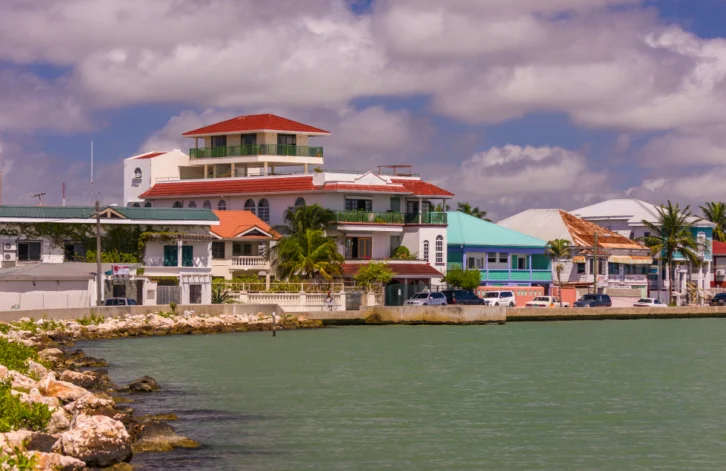
Those questions help explain why Belize is receiving more attention from North American and international buyers. Belize is not the largest market in the region, nor the most developed. That is part of the point. For the right investor, Belize offers a rare mix of straightforward ownership, lifestyle appeal, tourism demand, and market growth that is increasingly difficult to find in more mature destinations.
Will Mitchell, Regional Owner of RE/MAX Belize, has spent nearly fifteen years watching that shift unfold. His network now includes 13 offices and more than 100 agents across the country, and RE/MAX Belize has been ranked the number one RE/MAX region in Central America and the Caribbean for three consecutive years. Mitchell’s view is that Belize should not be sold as a simple tropical bargain. It should be understood as a real estate market with its own structure, strengths, and investment logic.
One of Belize’s most important advantages is legal simplicity. Belize is an English-speaking country with a legal system based on British common law. Foreign buyers can own property outright with the same ownership rights as Belizean citizens. That is a significant point of difference in a region where some countries require foreign buyers to use trust structures, special permits, or more complicated ownership arrangements in certain areas. For buyers coming from the United States, Canada, or the United Kingdom, Belize’s language and legal foundation make the process more familiar.
Tax treatment is another part of the appeal. Belize has no capital gains tax, no inheritance tax, and property taxes that are generally low by international standards. Those features matter because investment returns are not only shaped by purchase price and rental income. They are also shaped by holding costs, exit costs, and the amount of upside an investor keeps if the property appreciates. In higher-tax markets, those factors can change the investment calculation dramatically.
Tourism demand is also central to the Belize real estate story. The country’s natural assets are unusually strong: the Belize Barrier Reef, Caribbean islands, mainland jungle, Maya sites, fly fishing, diving, sailing, eco-tourism, and a growing hospitality sector. For many buyers, the most attractive properties are not only personal vacation homes. They are assets that can serve multiple purposes. A property may be used by the owner part of the year, rented to visitors when vacant, held for long-term appreciation, and eventually become a retirement base or family asset.
That multi-use quality is one reason Belize fits the current moment. Across North America and Europe, many buyers are looking for ways to increase flexibility in their lives and portfolios. A second property is no longer always treated as a pure lifestyle purchase. It may also function as a hedge against rising living costs, a future relocation option, or a way to hold a real asset in a growing tourism market.
This does not mean every Belize property is a good investment. No serious market works that way. Location, access, title, infrastructure, rental management, insurance, construction quality, and realistic revenue assumptions all matter. Belize rewards thoughtful investors, not careless ones. But that is not a reason to avoid the market. It is a reason to approach it properly.
For Mitchell, the most successful buyers are those who understand what Belize is and what it is not. It is not trying to be Costa Rica, Mexico, or the Cayman Islands. It is smaller, more direct, and still earlier in its development cycle. That can create challenges, but it can also create opportunity. A smaller market can mean less competition. Less overdevelopment can preserve the qualities that make the destination attractive. Earlier-stage growth can create more room for appreciation than buyers may find in mature coastal markets already priced for perfection.
Belize also benefits from proximity. For North American buyers, travel is manageable from several major hubs, and the country’s time zone makes remote work and periodic stays easier. That matters for buyers who do not want a property they see only once every few years. The more practical it is to visit, manage, and enjoy the asset, the stronger the ownership case becomes.
International real estate buyers are increasingly looking for optionality. They want assets that can adapt as their lives change. Belize can offer that when the property is chosen carefully. A home can be used personally, rented seasonally, improved over time, and held as a long-term position in a country that continues to attract visitors and investors.
That is why Belize is being taken more seriously. Not because it is the easiest market to summarize in a brochure, and not because every buyer belongs there. It is being taken seriously because it offers a combination of real ownership, lifestyle value, tax advantages, tourism demand, and room to grow.
For the right buyer, that combination is hard to ignore.
For expert guidance on buying property in Belize, visit Will Mitchell Real Estate.